Catégorie : Projects

  • SDEL Rouergue recharge their electric vehicles with solar energy

    SDEL Rouergue recharge their electric vehicles with solar energy

    SDEL Rouergue, Vinci group’s subsidiary, is a private company that has been working in public services for more than 80 years. It has since specialized in rural electrification and public lighting. Recently they expanded their field to fiber optic deployment and energy production via photovoltaic shading systems.

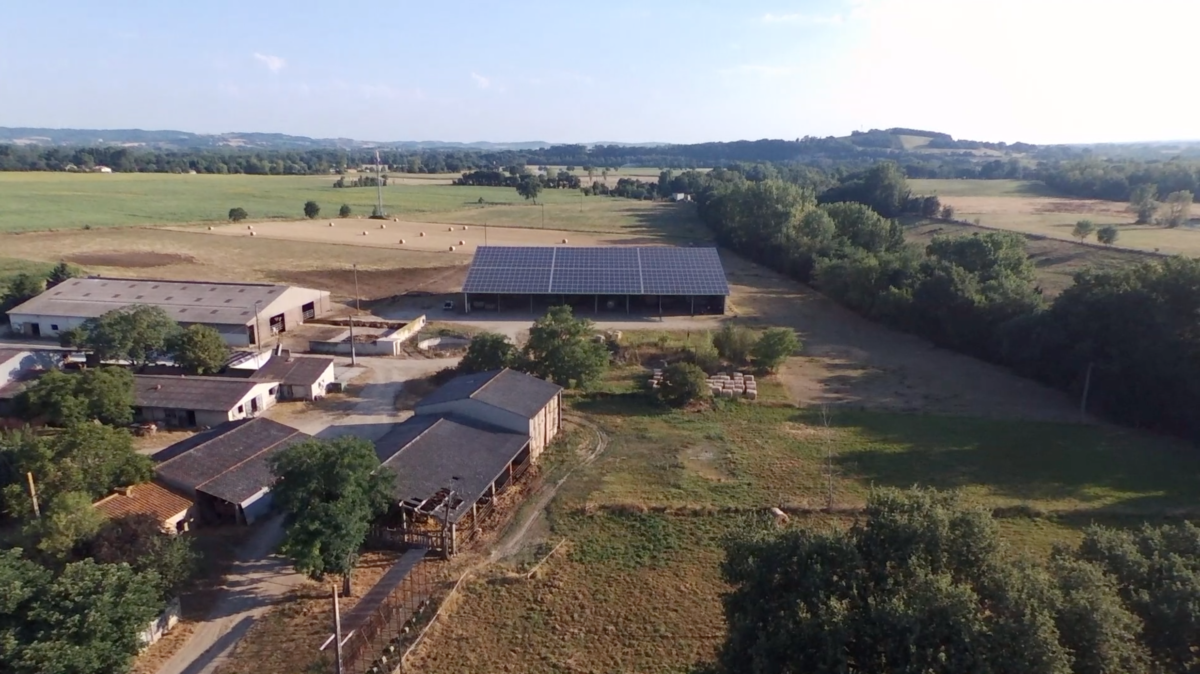
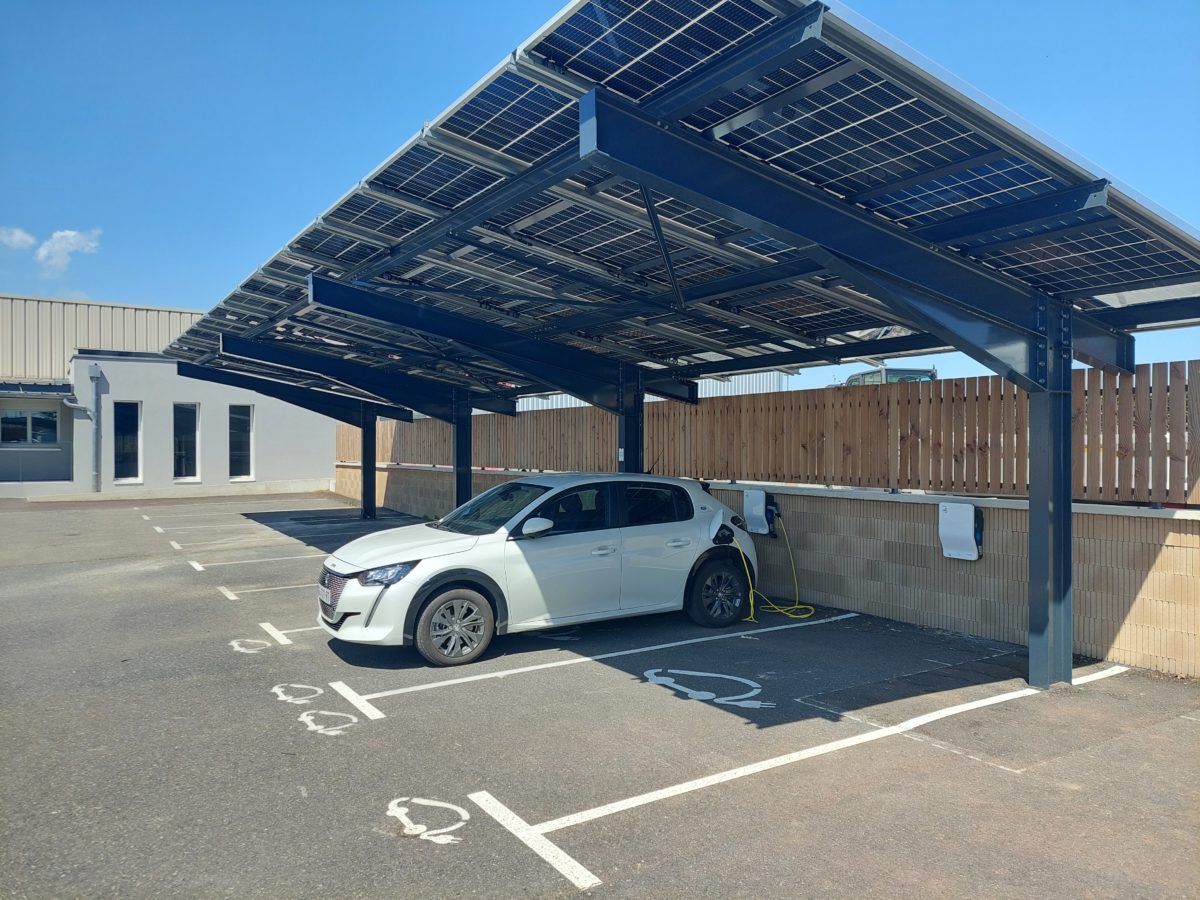
    Photovoltaic shading system on SDEL Rouergue’s Monastères site in Aveyron (South of France)
    Photovoltaic shading system on SDEL Rouergue’s Monastères site in Aveyron (South of France)

    The installation has a total photovoltaic power of about 24 kWp thanks to two solar carports, one of 15 bifacial modules of 330 Wp each and one of 35 bifacial modules of 540 Wp each.

    SDEL Rouergue’s team then installed the Sirea’s AEH 20 cabinet with 12 batteries recycled in France by our partner from Aveyron, Phenix Batteries. Each one of them as a capacity of 3 kWh which makes a total of 36 kWh of storage capacity, those batteries allows SDEL Rouergue to store the excess of solar energy production every day.

    Thus, the photovoltaic surplus stored on their Monastère’s site is then used on demand to power offices or to recharge electric vehicles with their 2 charging points of 22 kW installed under the carports.

    As shown by the animation below, the Sirea’s energy management system integrated into the cabinet controls energy flows toward the building, carport, storage or grid in order to optimize the self-consumption rate of the installation.
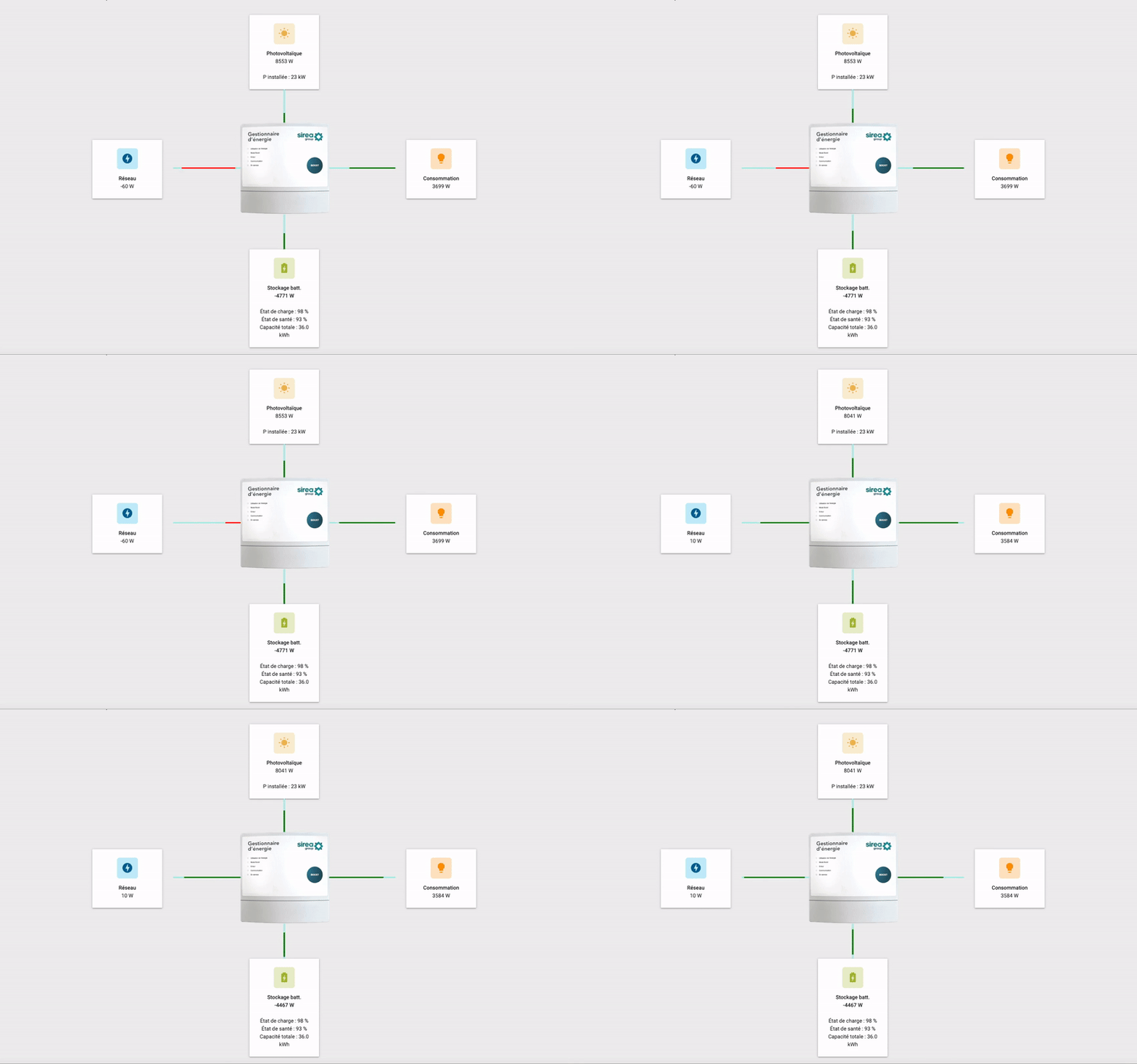
    Sirea’s energy management system of the AEH cabinet controls energy flows of SDEL Rouergue.
    Sirea’s energy management system of the AEH cabinet controls energy flows of SDEL Rouergue.

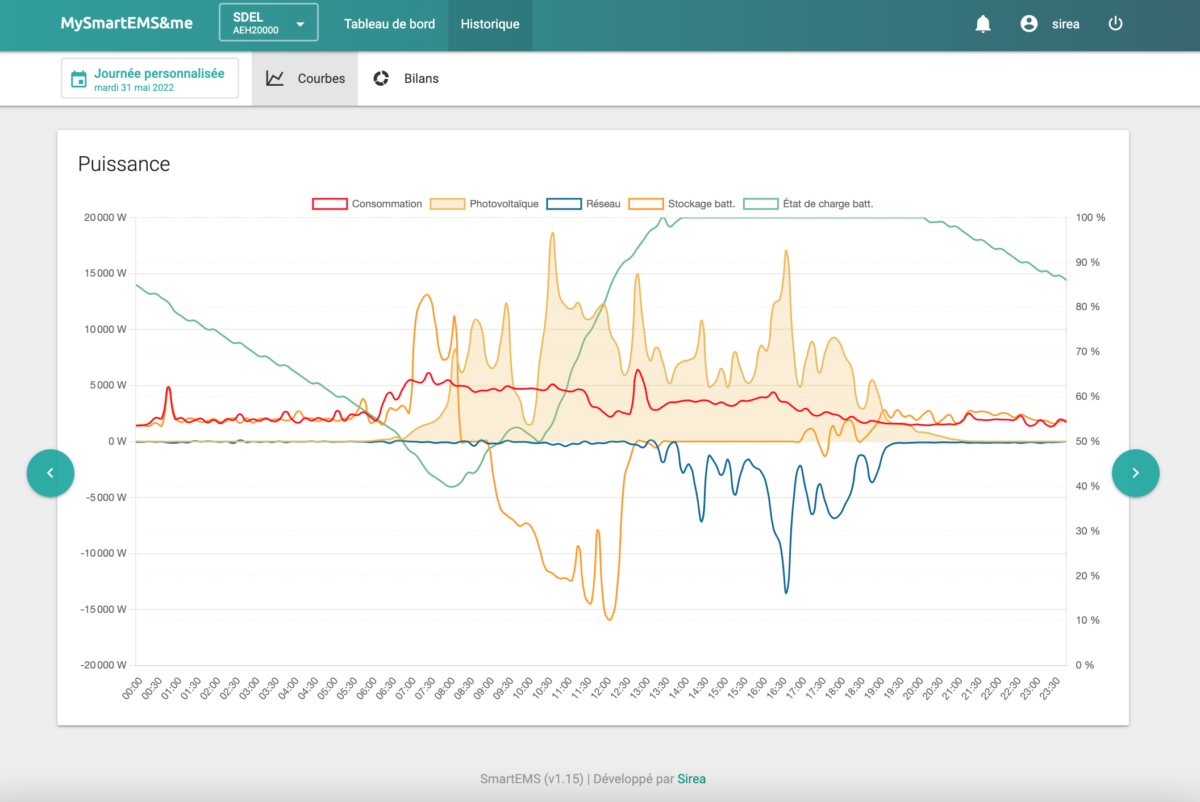
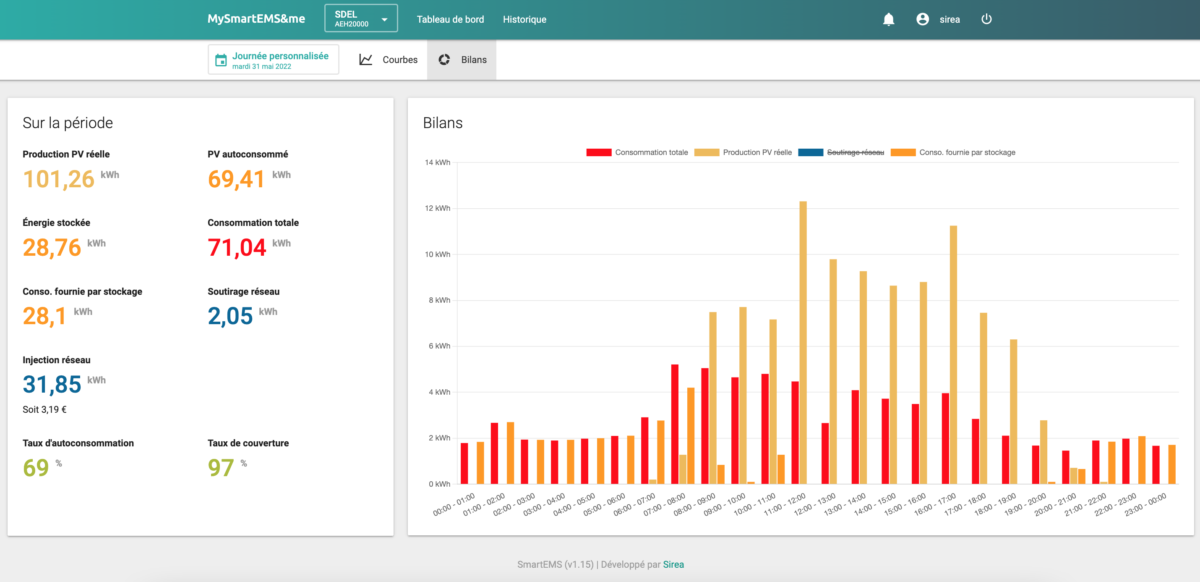
    For example, on may 31st, power curves highlight that the grid (in blue, curves on the left screen) almost never supplies electricity thanks to the automatic rotation between solar and storage. The day review shows that almost 70 % of the production was used (self-consumption rate), particularly 97% of the day consumption was supplied by the installation (coverage rate) !
    A fine project that strengthens the circular economy of the automotive sector by recycling their batteries, and supports the local industry through an installation that expedites the development of renewable energy for electric transportation !
  • Hydroelectricity: Shema, the EDF subsidiary, chooses Sirea for the remote management of its plants

    Hydroelectricity: Shema, the EDF subsidiary, chooses Sirea for the remote management of its plants

    The « Société Hydraulique d’Études et de Missions d’Assistance », better known in France under the name « Shema », has just received the latest version of its web-based remote management platform developed by our automation and industrial IT design office.

    Sirea digitizes Shema's hydroelectric plants
    Sirea digitizes Shema’s hydroelectric plants

    Since 2019, we have been working on the digitalisation of the hydroelectric power plant fleet managed by Shema.

    This major transformation has focused on two priority areas for the EDF subsidiary. The first is to unify the remote management system of the plants, by facilitating data feedback, despite the different PLC technologies present in each plant.

    The second was to deploy a web platform to help operators transmit semi-automated « field » data to provide Shema with a clear, standardised weekly operating report for all plants.

    Our automation and IT departments have worked together to provide Shema with an advanced reporting system that standardises the monitoring of all plants to facilitate the overall operational overview. Manager and operators can work easily thanks to this solution and avoid entering information manually in different formats!

    David Grand, Sirea Communication Officer

    Indeed, Shema administers a fleet of more than 60 hydroelectric power plants spread throughout France, and supports the operators of these plants in the production of electricity and the maintenance of the site.

    The EDF subsidiary therefore called on our team to develop and deploy this remote management system. It provides a map of the territory with an overview of the performance of the park, and allows data to be historically recorded in a single format for all the plants, such as the operating status of each group (turbine), the number of start-up cycles or the temperatures of the alternators.

    This evolution allows us to have a better overall view of the fleet, but also to not miss any information that is crucial to the smooth running of operations on site, and thus to better support the operators for a better performance of our fleet.

    Fabrice Charpentier, in charge of the project at Shema

    Since the last version was deployed, the application we developed, which is based on our MicroSERVER supervision tool, offers Shema better long-term visibility by adding a production forecasting system to the web platform.

    In addition, the remote management system and the web platform are now synchronised in order to cross-reference the forecasts with the data collected on site to highlight any discrepancies and neutralise the slightest anomaly as soon as possible.

  • The prototype of the European project MOSAIC goes into its final phase!

    The prototype of the European project MOSAIC goes into its final phase!

    For the past 5 years, Sirea has been collaborating with 9 other European companies and organisations in a Horizon 2020 project, funded by the European Union.

    This project, called « MOSAIC », aims at deploying and validating an innovative concept of solar thermodynamic power plant (CSP) with high efficiency and low implementation costs.

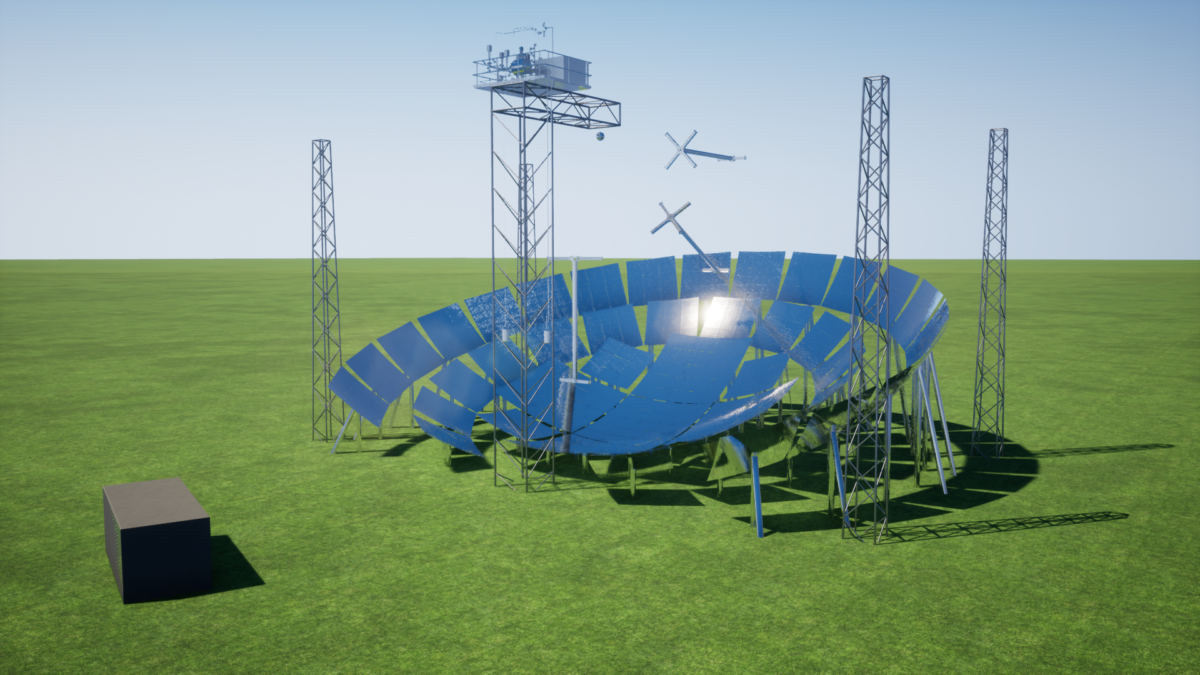
    Modélisation 3D de la centrale solaire thermodynamique MOSAIC
    3D modelling of the MOSAIC solar thermodynamic plant

    The consortium of which Sirea is a part has just completed the construction of the prototype (300 kW) at CENER (Centro Nacional de Energías Renovables), in Sanguesa, Spain.

    Over the last few months, different systems have been tested using a dummy receiver connected to dummy pipes, simulating real conditions. Once the tests were completed, the receiver and pipes were replaced with real equipment.

    The operation took place from 20 to 22 April 2021 and required the participation and cooperation of various partners and their subcontractors. The thermal installation is now complete and all its components are now operational.

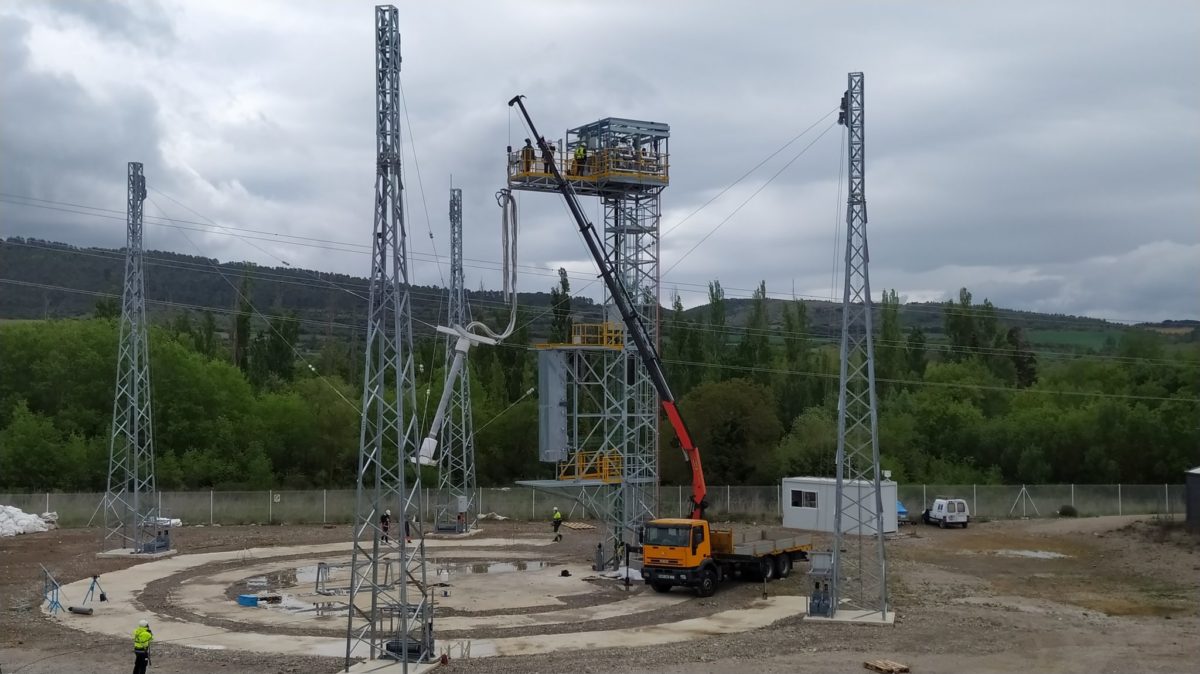
    MOSAIC project – Assembly of the receiver on the prototype installation at CENER (Sanguesa – April 2021)

    The whole assembly was raised by a crane which lifted the real pipes, already connected to the receiver, while the receiver itself was lifted by the cables of the tracking system. The end of the pipes, opposite the receiver, was connected to the top of the main metal tower.

    In the following days, the system will be filled with a high-temperature heat transfer fluid (HTF), and then the thermal loop system will be ready for the various tests that will evaluate its proper functioning.

    The last step in this final phase will be the deployment of the solar array later this year.

  • Gaïa chooses SmartEMS to optimise air conditioning consumption through controlled self-consumption

    Gaïa chooses SmartEMS to optimise air conditioning consumption through controlled self-consumption

    This is a new successful project for the Reunionese group Gaïa, which has just equipped the Saint-Leu school (Reunion island) with an intelligent solar air conditioning system.

    A specialist in photovoltaic energy on Reunion Island, Gaïa’s teams installed a 36kWp PV plant (110 modules) for this school in 2020 for self-consumption without storage and with resale of the surplus.

    Photovoltaic installation at Saint-Leu school (Reunion island)
    Photovoltaic installation at Saint-Leu school (Reunion island)

    They have also connected a GVRD air conditioning system for a cooling capacity of72 kWf (with 12 indoor units and 2 outdoor units). The whole system has been connected to Sirea’s SmartEMS intelligent manager to facilitate the control of the air conditioning systems according to the available photovoltaic energy.

    We needed an energy manager that was compatible with the different equipment in the installation, and flexible enough to offer customised management, as close as possible to the school’s needs. Sirea’s SmartEMS is undoubtedly the best technology for this use case.

    Étienne Bernard, operations manager at Gaïa Photovoltaïque

    The control system managed by SmartEMS is based on 4 real time measurement points:

    • photovoltaic production
    • withdrawal and injection into the distribution network
    • the consumption of chillers
    • inter-building consumption.

    Since its installation, our energy manager has been perfectly performing its task of controlling the set temperatures of the air conditioning units.

    We see a growing interest in innovative control solutions from solar energy specialists such as the Gaïa Group! They immediately understood the interest of SmartEMS to optimise the rate of self-consumption and the project’s coverage rate.

    Yannick Barat, energy business manager at Sirea

    The automated management of air conditioning associated with controlled photovoltaic self-consumption is therefore a relevant system that provides a real solution to the problem of electricity consumption generated by air conditioning systems. This is all the more true because in hot regions and therefore in our island areas, the impact of air conditioning consumption is going to increase.

    The Saint-Leu school can pride itself on showing the way forward in terms of energy efficiency.

  • Our electric vehicles now run on solar energy

    Our electric vehicles now run on solar energy

    Very involved in the development of renewable energies for professionals, we wanted to set an example by replacing the fuel in our vehicles with solar energy. One more step towards our energy transition where everyone can find their way: our budget, our employees, and our planet!

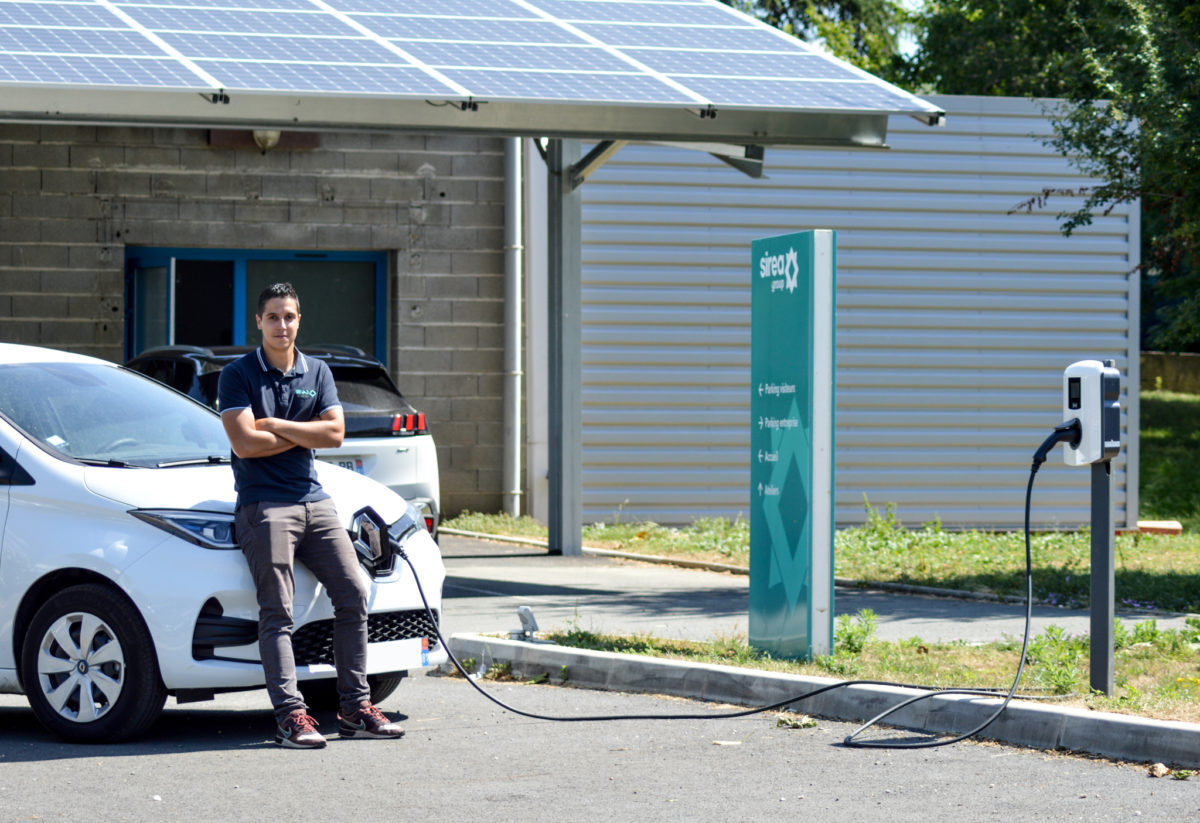
    Sirea recharges its electric vehicles with solar energy
    Sirea recharges its electric vehicles with solar energy

    As a reminder, in January 2020 we deployed a 21 kWp photovoltaic shading system at our head office in Castres (France) (as part of the »Photovoltaic electricity self-consumption 2018″ call for projects), in order to replace part of the energy drawn from the electricity grid with photovoltaic energy.

    We took advantage of this opportunity to renew our car fleet with the purchase of three electric vehicles, and asa result, we have installed a recharging station for electric vehicles, powered directly by our photovoltaic shading device.

    As a specialist in energy efficiency, we had to lead the way. This project enabled us to switch to self-consumption and to dynamically control the terminals for 100% solar recharging of electric vehicles.

    Bruno Bouteille, CEO of Sirea

    Why do we think this concept is the right one?

    SmartEMS of Sirea
    SmartEMS of Sirea

    On a technical level, we use a technology that we have developed ourselves for our customers: SmartEMS, which is capable of controlling the flow of energy within the same installation in order to optimise energy efficiency.

    In economic terms, the fuel saved amounts to more than €9,000 per year. If we add to this the surplus energy that comes to power our two buildings when the vehicles are fully charged, it is estimated that our self-consumption photovoltaic installation will pay for itself within 5 years.

    Discover the report produced and broadcast by France 3 on Wednesday 30 September 2020 :

  • 3 GWh : The Voltaika solar plants take an another important step

    3 GWh : The Voltaika solar plants take an another important step

    Voltaika, the society created 10 years ago by Patrick Roulet, is turning a corner !

    Aerial view of the photovoltaic system Voltaika
    Aerial view of the photovoltaic system Voltaika

    After making use of the services of Sirea in 2010 to deploy two solar plants in Tarn (french department located in South of France), Voltaika recently went over symbolic number which is 3 GWh of photovoltaic production.

    The past 9 years of hard work between Sirea and Voltaika enable the optimisation and the maintain of the solar plants. Thanks to that close collaboration, the two installations of 129 kWc each maximize their electric production year after year?

    For the 10th anniversary of the project, Patrick Roulet testifies :

  • ReCOVery project: The disinfection robot passed its tests successfully

    ReCOVery project: The disinfection robot passed its tests successfully

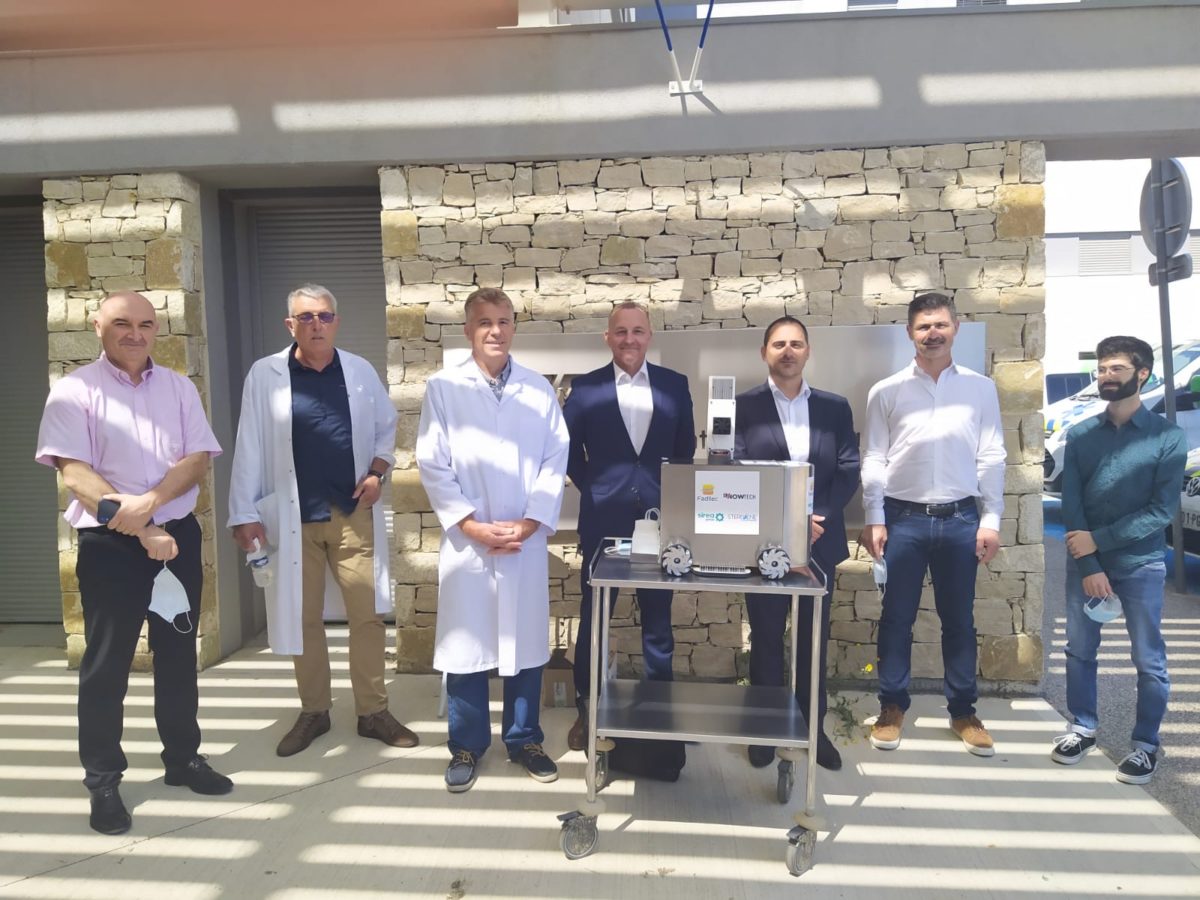
    Monday 25 may in the hospital of Bagnols-sur-Cèze (South of France), the first public presentation of project ReCOVery, driven by Sirea and four other companies, took place.

    In the beginning of April Sirea swung into action together with the companies of CleanTechBooster (Innowtech, Fadilec, Alfileo) and Sterixene, designing a robot especially dedicated for the surface and air decontamination within the scope of the Covid-19 battle.

    It’s been a big challenge. Together we decided on the systems main functioning via regular videoconference calls.

    Alain Godot, director of Innowtech and project advisor
    https://www.facebook.com/SireaGroup/videos/1487065868131748/

    In a month’s time, the robot called “ReCOVery” was born. It has two distinctive decontamination characteristics:

    • Pulsating ultra violet light waves
    • Spraying Sodium hypochlorite fabricated in-situ

    The tests were performed in time and the demonstration organized in the Gard allowed the characteristics of this robot 100% “made in Occitanie” to been shown to the public:

    • Small: 50cm length and width for a height of 1m20
    • Lightweight: less than 50kg
    • 4 wheels to allow movement
    • Autonomous: 4-8 hours of runtime thanks to its battery
    • Fast: decontamination of 30m² in less than 30 minutes
    • Remote controllable with pc or mobile device

    Today, the many assets allow the robot to ensure not only the disinfection of the ambient air but also the floors, walls, equipment and furniture. This assistance is considerable for the medical sector but also for the industry sector or even offices.

    First test run of project ReCOVery at the hospital of Bagnols-sur-Cèze
    First test run of project ReCOVery at the hospital of Bagnols-sur-Cèze

    The development of ReCOVery is continuing with the short-time objective to make it completely independent. That way the robot can execute its missions by itself without the need of human intervention during the operation.

    In view of its efficiency, the speed and the safety, we can say that this is a tool in which the hospital of Bagnols will invest. And we privilege the regional and French fabrication!

    Jean-Philippe Sajus, hospital director of Bagnols-sur-Cèze

    As reminder, the fabrication system for the disinfectant solution inside the robot is derived from our solution AURA. It allows the fabrication of disinfectant on the spot without supply problems.

  • 5 years ago, the micro smartgrid project took shape in USTH

    5 years ago, the micro smartgrid project took shape in USTH

    In 2013, Sirea signed its first partnership in Asia with the University of Sciences and Technology of Hanoï (in Vietnam). This collaboration last for 8 years now.

    In those conditions, 2 years after this event, the mSGBEM (for « Micro SmartGrid for Building Energy Management) project took shape in partnership with the university’s CleanED Lab.

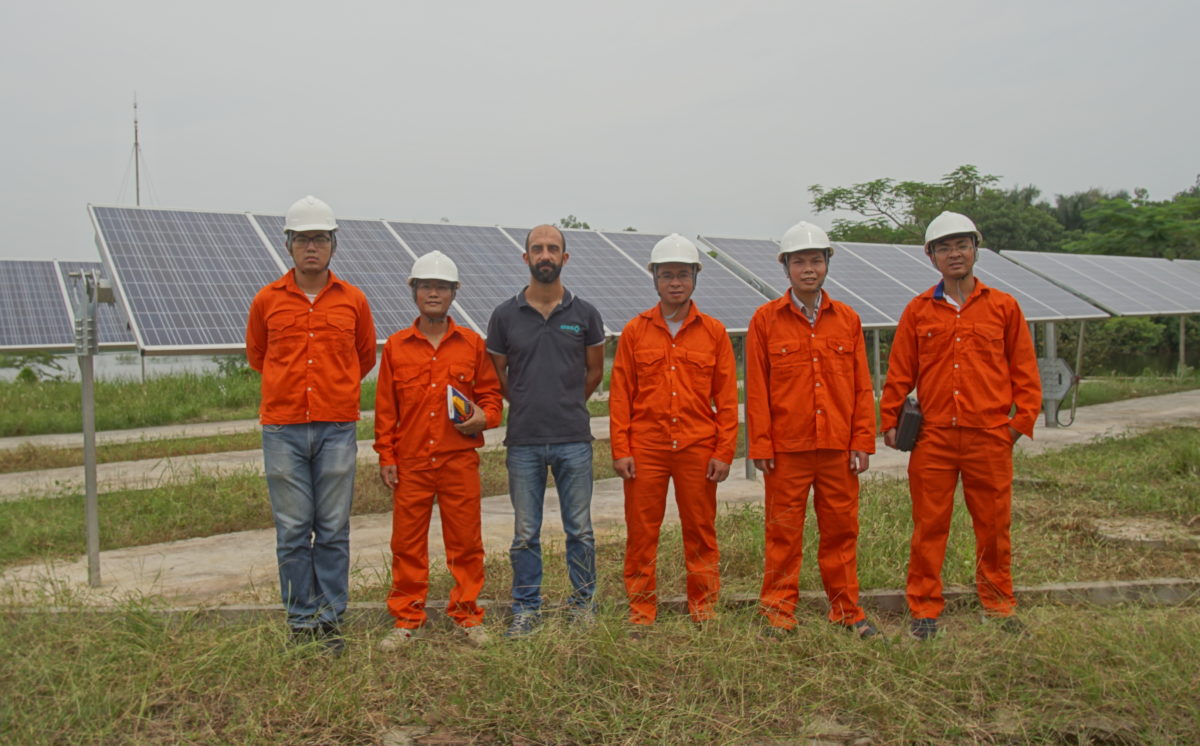
    Yannick Barat and the USTH team
    Yannick Barat and the USTH team

    The goal of the installation of 15 kWc was to produce 20 MWh on an annual basis. This allows the vietnamian university to save energy on the pilot building consumption.

  • In Sidobre area, Sirea and SDET make reliable the power supply of isolated dwellings

    In Sidobre area, Sirea and SDET make reliable the power supply of isolated dwellings

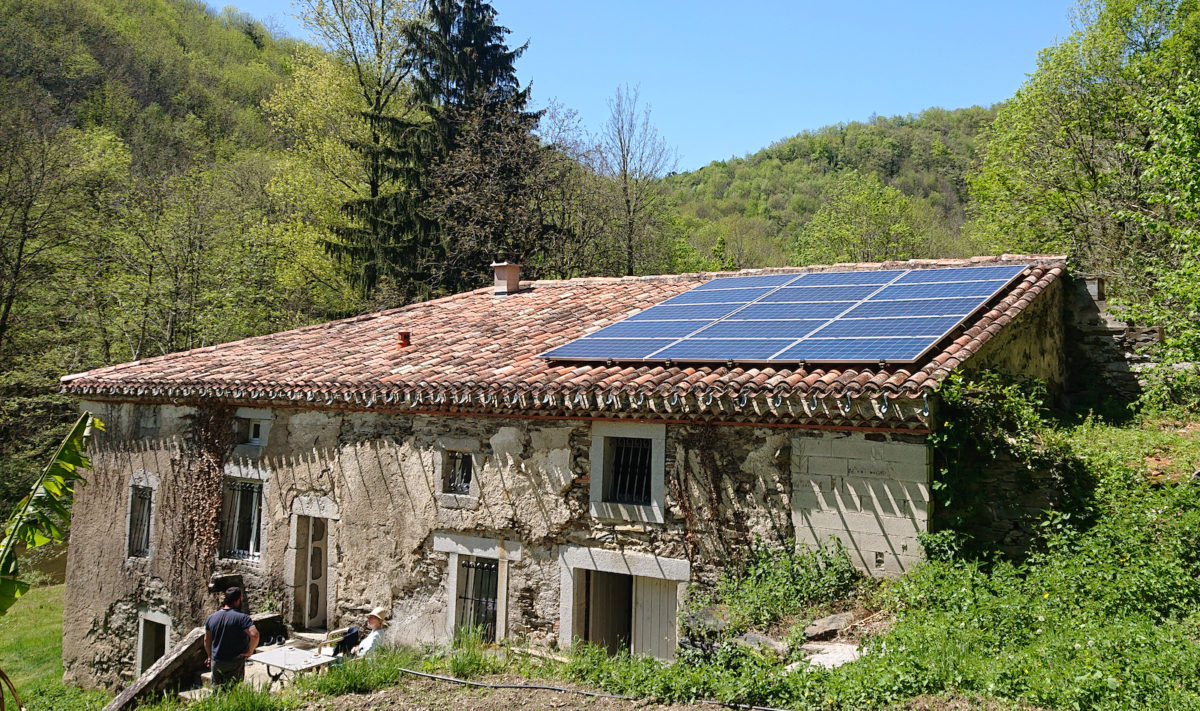
    At the end of 2019, Sirea and the Departmental Energy Association of Tarn (SDET) managed to deploy an innovative self-consumption system for a house located near Lacrouzette, in the Sidobre mountains.

    Isolated dwelling in Sidobre mountain
    Isolated dwelling in Sidobre mountain

    Source of many voltage drops, the power supply from the conventional grid for this dwelling in the forest was not ideal, which involved many disadvantages such as degradation of household appliances.

    The SDET therefore called on Sirea to set a control system optimising the self-consumption photovoltaic of its customer while allowing the injection of the surplus energy produced and not consumed, on the electricity grid. This tailor-made project consists of a storage capacity of 20 kWh for a power of up to 15 kW on this single-phase installation.

  • In its vision of sustainable mobility, WeTrott’ relies on Sirea’s expertise


    In its vision of sustainable mobility, WeTrott’ relies on Sirea’s expertise


    Among the many electric scooter rental offers available on the market, one of them stands out by offering a responsible and sustainable solution: the WeTrott’ scooters, by the startup All-Connected.

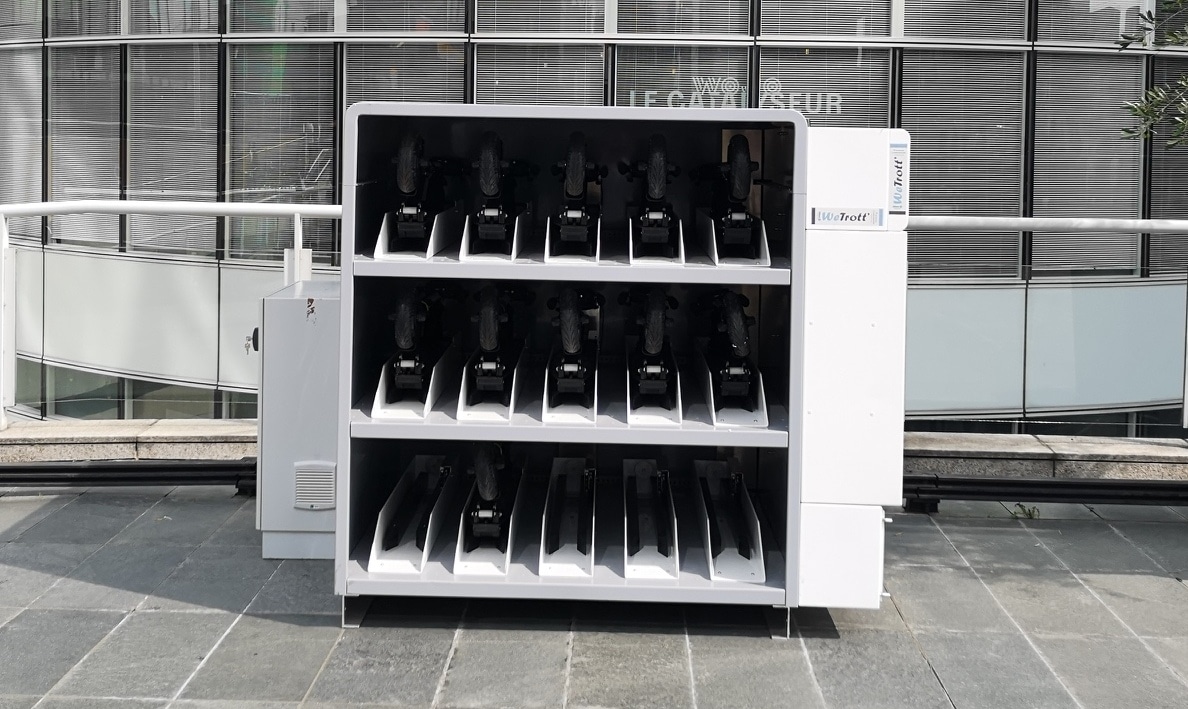
    WeTrott’ autonomous charging station
    WeTrott’ autonomous charging station

    Indeed, the startup that was created in Versailles (France), offers autonomous charging stations for electric scooters, and has benefited from the expertise of Sirea for the management of their power supply. Sirea also offered its know-how to collect information related to the condition and use of batteries.

    WeTrott’ autonomous charging station
    WeTrott’ autonomous charging station

    Thus, it is another vision of sustainable mobility proposed by WeTrott’ : by reducing the dispersion and degradation of these new electric vehicles in our cities, but also by avoiding the use of connection of the stations to the electricity grid.